Transforming Your Basement into a Functional Home Office: Design Tips and Ideas
More people are working from home than ever, and a dedicated, well organized workspace is key to staying productive and keeping a healthy work-life balance. If your home is short on space, your basement may be the perfect hidden gem.
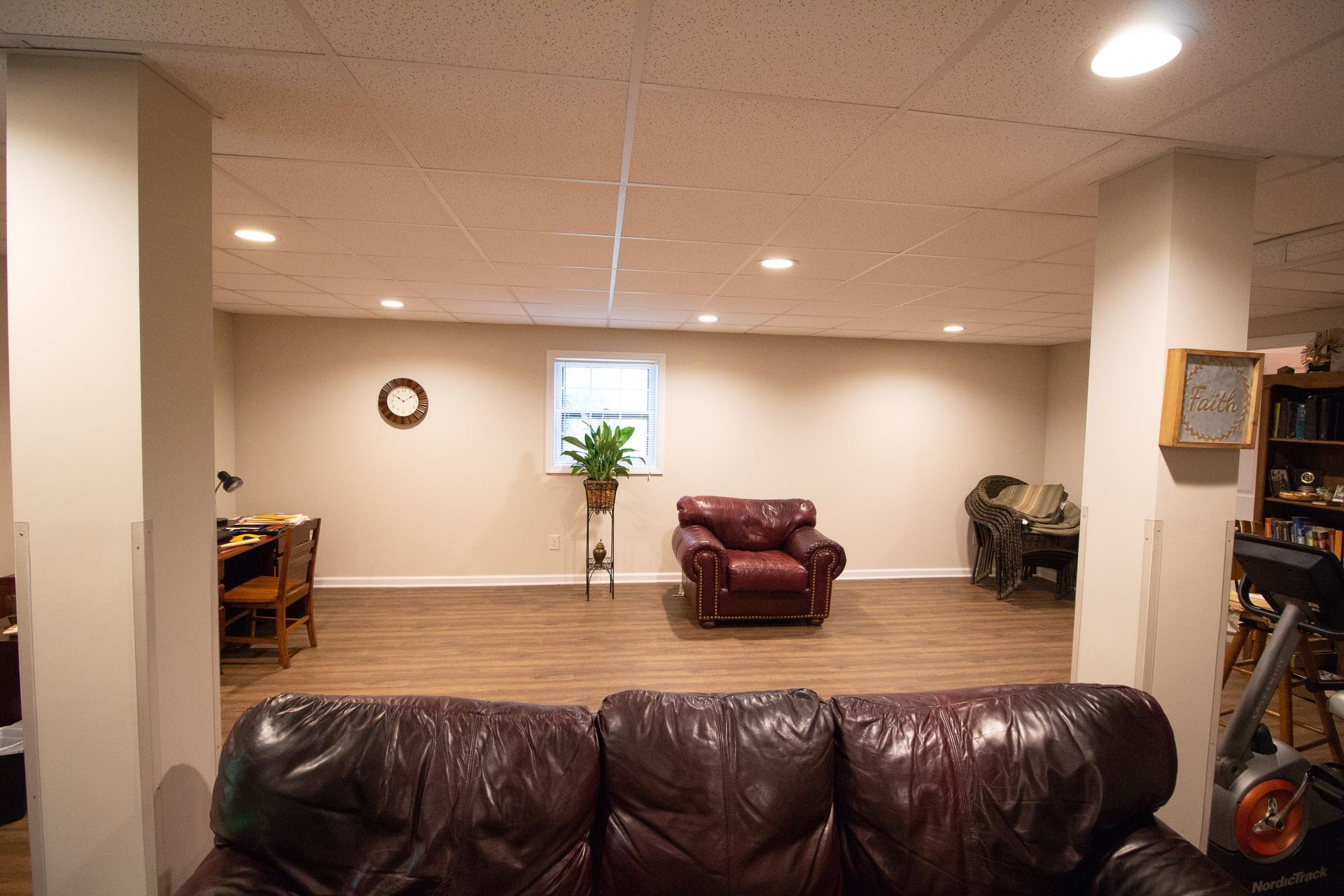
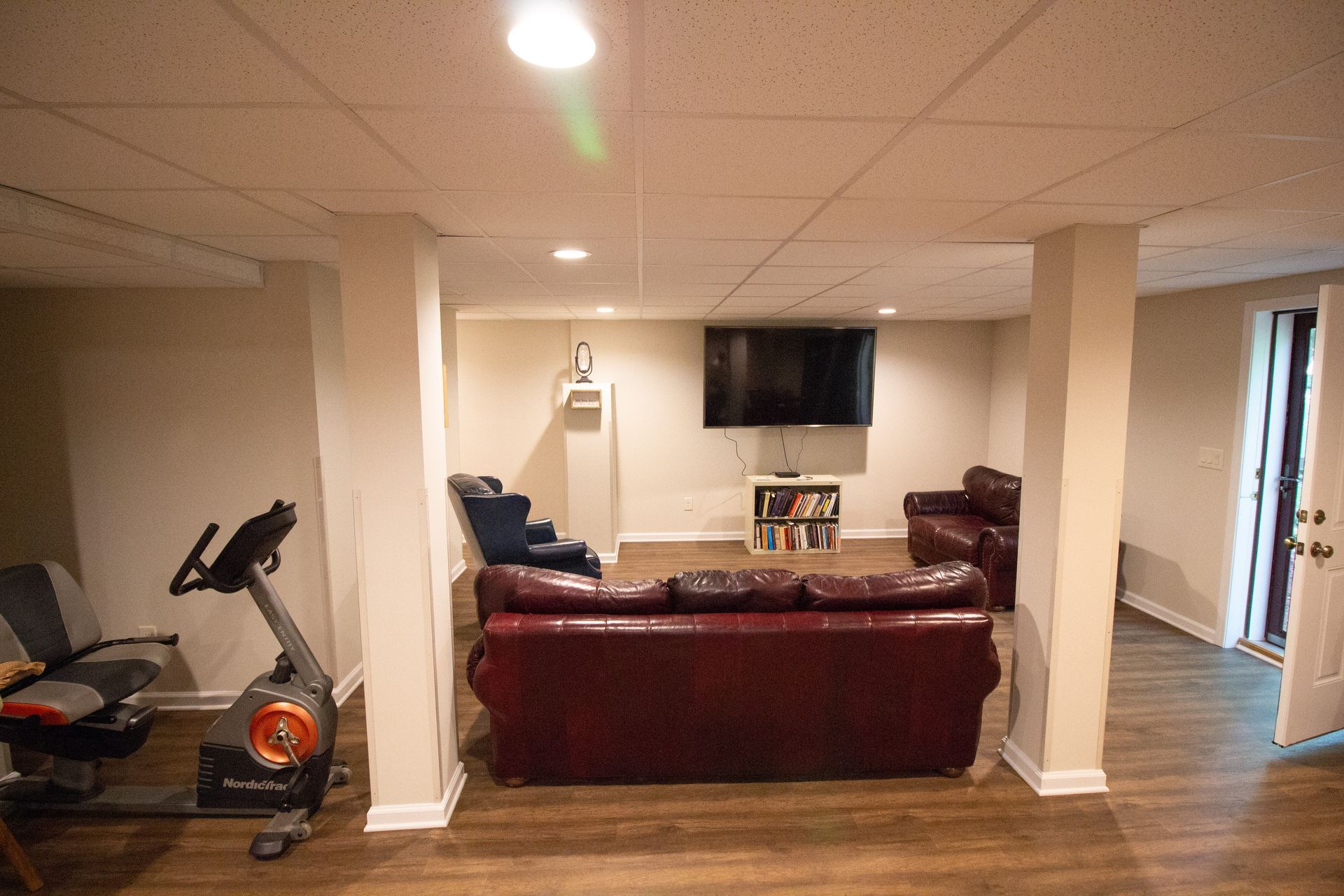
With some planning and creativity, a basement can become a comfortable, inspiring home office. Here is how to assess your space, design the layout, stay organized and make the room your own.
Assess Your Basement Space
Measure the Square Footage
Start by measuring the total square footage. Knowing the exact dimensions helps you plan for work areas, storage and comfort zones. Even a compact basement can be very functional with the right layout and furniture.
Evaluate Natural Light and Ventilation
Basements often lack natural light, which affects focus and wellbeing. Note any existing windows and consider egress window wells or layered lighting to brighten the room. If airflow is limited, a dehumidifier, ceiling fan or an extension of your HVAC system will make the space healthier and more comfortable.
Identify Potential Challenges
Low ceilings, exposed ductwork and moisture are common basement obstacles. Address any waterproofing concerns first to prevent future damage, then use ceiling and wall treatments to hide structural elements while keeping a clean look.
Design Your Workspace
Choose the Right Layout
Pick a layout that matches how you work each day. If you take frequent video calls, face your desk toward a clean, well lit background. If you juggle several kinds of tasks, an L shaped or U shaped desk helps define separate zones so you stay organized.
Invest in Ergonomic Furniture
An adjustable office chair and a desk at the correct height make a big difference in comfort and posture over long days. A standing desk converter lets you switch between sitting and standing to reduce strain and fatigue.
Select a Motivating Color Palette
Color influences mood. Whites, soft blues and greens make a basement feel larger and more inviting, while an accent wall in an energizing shade like yellow or orange can boost creativity and focus.
Organize for Efficiency
A clear organization plan keeps clutter from building up and helps you get the most from your office.
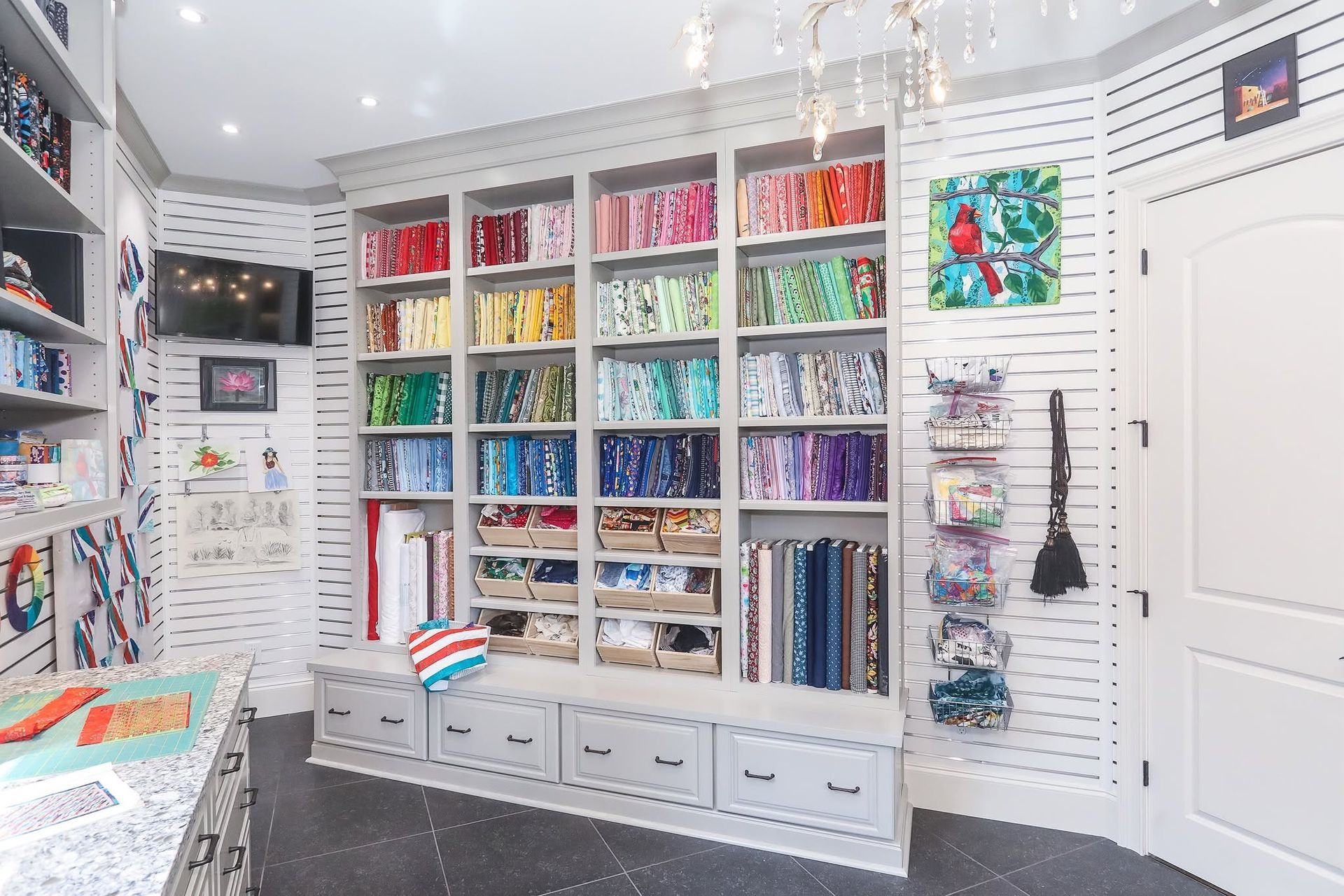
- Built-in storage: Combine filing cabinets, open shelving and bins. Built-in cabinets and wall mounted units save floor space without sacrificing access.
- Task zones: Set aside specific areas for focused work, meetings, printing and brainstorming to make transitions easier through the day.
- Vertical space: Tall shelving, pegboards and hanging organizers hold supplies and reference materials without crowding your desk.
Add Technology and Comfort
- Technology: Plan for reliable Wi-Fi, plenty of outlets and good cable management. Extra monitors, a quality webcam and speakers support virtual meetings.
- Easy access to supplies: Keep pens, notebooks and chargers within arm's reach, with drawer dividers and desktop organizers to prevent clutter.
- Acoustics: Rugs, acoustic panels and heavy curtains absorb sound, reduce echo and add warmth.
Personalize Your Home Office
A space that feels like yours is easier to spend the workday in. Add family photos, artwork or favorite books, along with a vision board or framed milestones that keep you motivated. If room allows, include a comfortable chair or small sofa for short breaks, since a change of scenery helps you reset and avoid burnout.
Design Your Basement Home Office With Us
A well designed basement office separates work from the rest of daily life so you can focus with fewer interruptions. Whether you need a quiet office, a creative studio or a multipurpose room, the right design choices help you make the most of your lower level.
If you have been thinking about adding a home office to your basement, the Tracy Tesmer Design and Remodeling team of in-house designers and project managers would love to help bring it to life. Learn more about our remodeling services, call 678-450-1700 or contact us online.